Paper clutter has a way of making a home feel more complicated than it is.
One envelope lands on the counter. Then a school form joins it. Then a coupon you might use, a receipt you might need, a reminder card, an insurance notice, a return label, a birthday invitation, and one mysterious paper that feels too important to throw away but not important enough to deal with right now.
That is how a pile becomes a location.
For a long time, my mistake was trying to make paper organization too complete. I wanted the perfect filing system, the perfect labels, the perfect set of folders, and a beautiful place for every category of paper. But most everyday paper does not need a perfect filing system. It needs a next step.
That is what a small paperwork station is for.
Quick answer
A useful home paperwork station needs four simple zones: an inbox for new paper, an action folder for things you must handle, a short-term holding spot for papers you will need soon, and a shred or recycle spot for paper that should leave the house. Keep it small, visible, and close to where paper naturally enters your home.
Do not start by buying a large filing cabinet. Start by stopping the daily pile.
Start where paper already lands
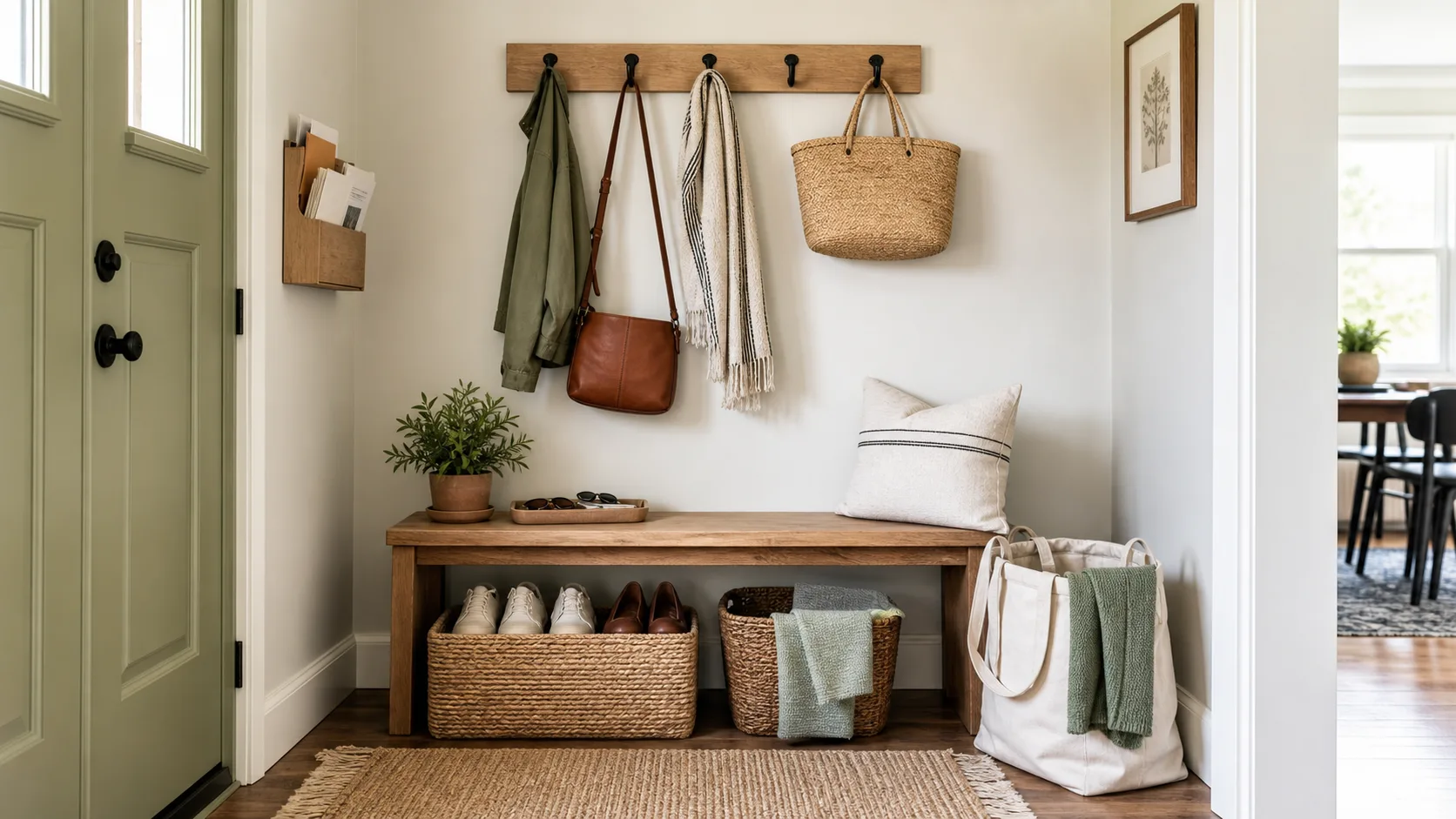
The best paperwork station is not always in the prettiest place. It is in the place paper already wants to land.
For many homes, that is:
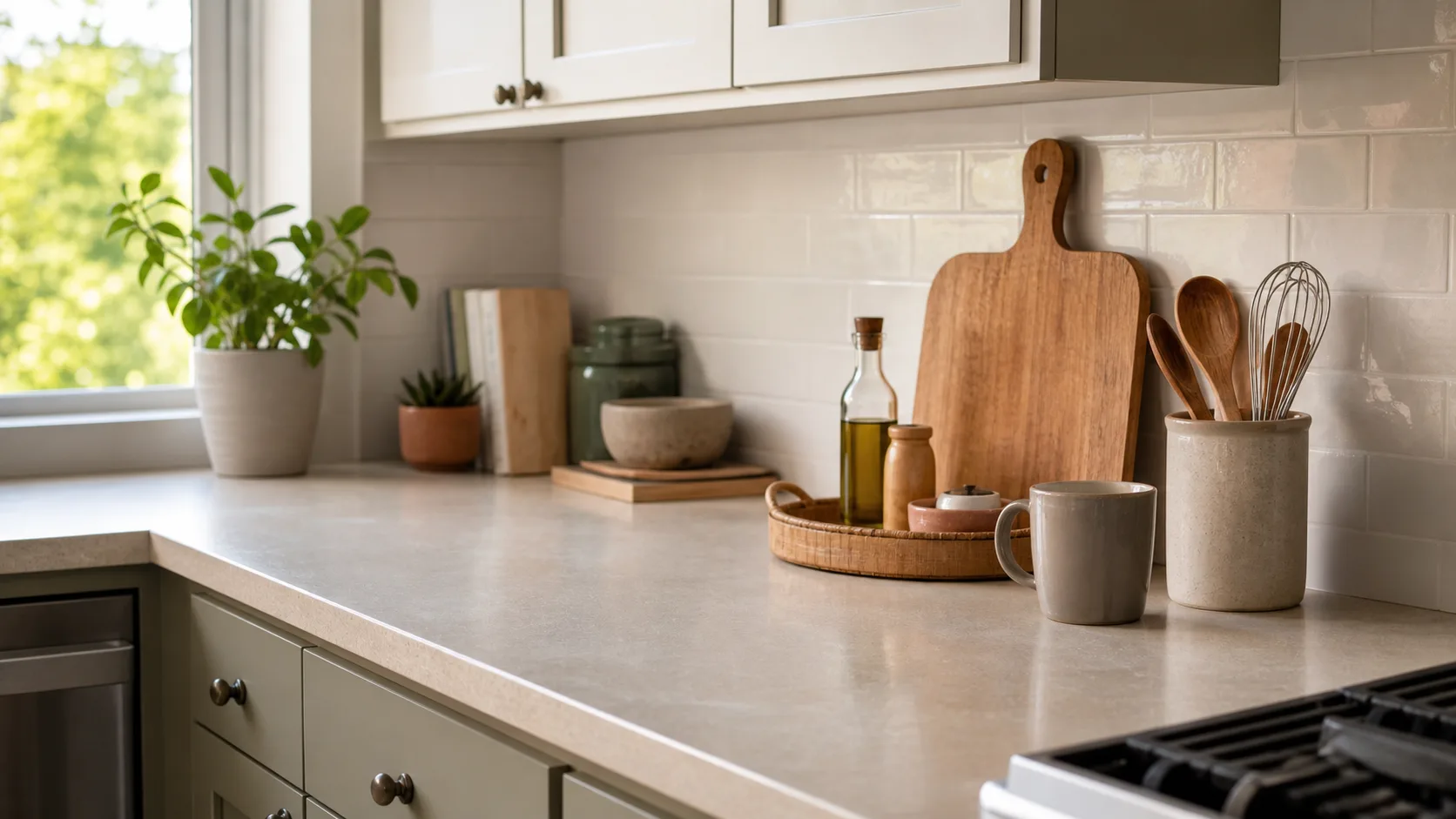
- The kitchen counter
- The entryway table
- A desk near the door
- A shelf by the calendar
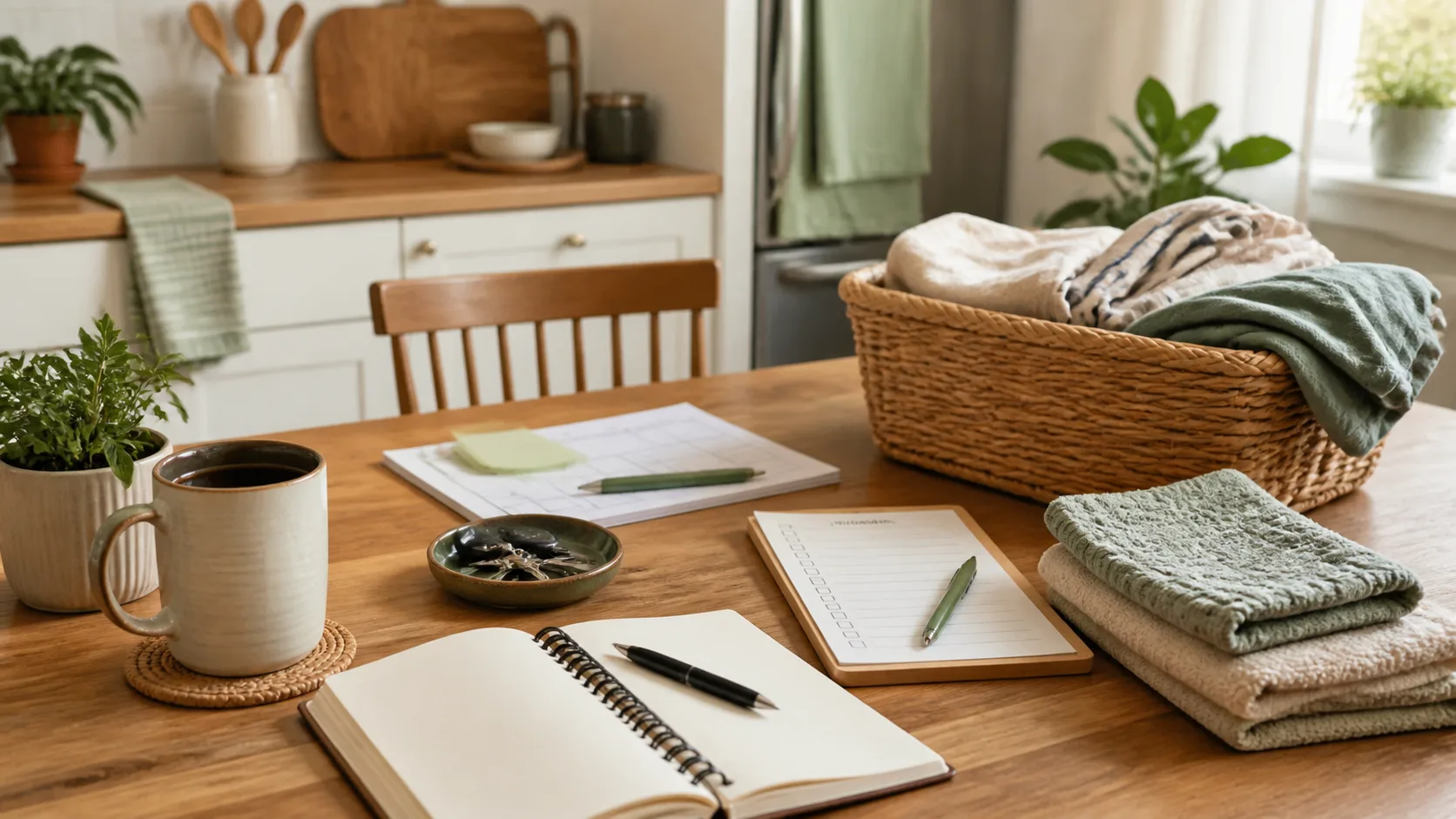
- The dining table, unfortunately
- A corner of the mudroom
If mail enters through the front door and ends up in the kitchen, putting the paperwork station in a back office may not work. It sounds organized, but it asks you to walk paper to a place you are not naturally going.
I would rather have a small, useful station in the kitchen than a perfect filing setup in a room nobody uses.
1. Add one inbox for new paper
The first piece is an inbox.
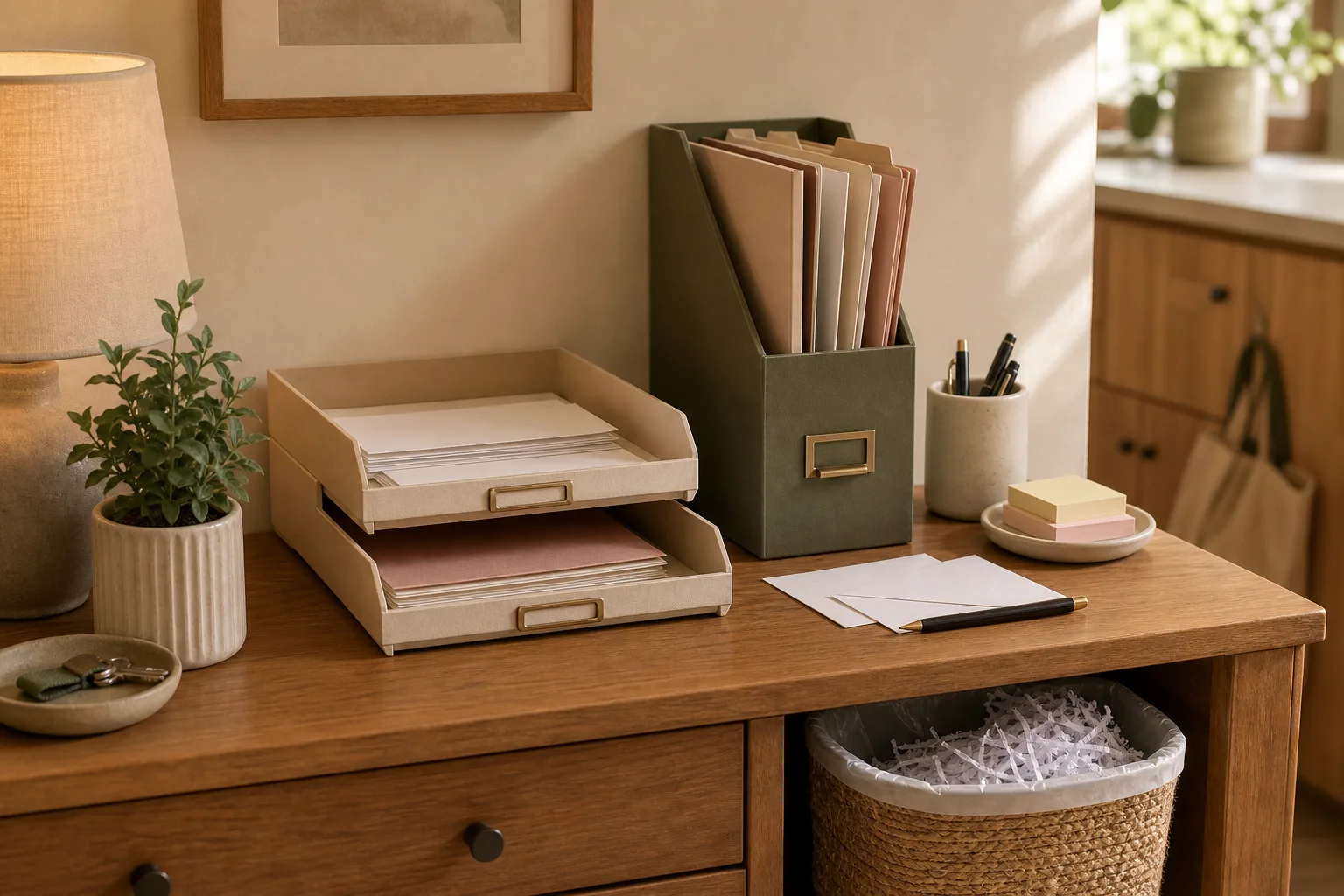
This can be a tray, basket, wall pocket, shallow bin, or folder holder. It does not need to be fancy. It just needs to be obvious.
The inbox has one job: hold new paper until you decide what it is.
That means mail, school papers, appointment reminders, receipts from your bag, return slips, and forms that came home with someone at 5 p.m. when dinner was already happening.
The inbox is not where paper stays forever. It is a landing spot, not a storage unit.
I like a shallow tray because it gets annoying when it fills up, and that annoyance is useful. A very deep basket can hide three months of decisions before you realize what happened.
2. Create an action folder
The action folder is the most important part of the whole system.
This is where papers go when they require you to do something.
Examples:
- Pay this
- Sign this
- Call about this
- Return this
- Schedule this
- Bring this to an appointment
- Fill this out
- Compare this before deciding
I would label the folder something plain, like "Action" or "Do This." Cute labels are fine, but clarity matters more than charm when you are tired.
If you share a home, make sure everyone understands that the action folder is not a hiding place. It is a queue.
One little habit helps: check the action folder on the same day each week. Friday morning, Sunday evening, Wednesday after dinner, whatever fits your life. The day matters less than the repeat.
3. Keep a short-term holding folder
Not every paper needs action right now. Some papers are useful only for a little while.
This is where a short-term folder helps.
Use it for things like:
- Upcoming appointment details
- Event information
- Tickets or confirmation printouts
- Return labels
- Current coupons you truly plan to use
- School calendars for the month
- Temporary medical instructions
I think of this as the "soon" folder.
If a paper will matter in the next few weeks, it can live there. If it needs to matter for years, it probably belongs in long-term files. If it does not matter at all, it should leave.
This folder keeps useful papers from mixing with urgent papers.
4. Make shredding and recycling easy
Paper systems fail when throwing paper away feels like a separate project.
If you have to walk across the house to recycle junk mail, it may sit in the inbox. If sensitive papers need shredding but the shredder is buried in a closet, those papers may become a scary little stack.
Keep an exit nearby.
That could be:
- A small recycle basket
- A shred basket
- A compact shredder if you use one often
- A paper bag inside a cabinet
- A labeled folder for papers to shred later
You do not need to shred everything. But anything with sensitive personal information should be handled more carefully than a grocery flyer.
The point is to make paper leave the station as easily as it enters.
5. Decide what deserves long-term storage
Most paper does not need to live in your home forever.
But some things do need a safer, longer-term place. The paperwork station should not become that place.
Long-term files might include:
- Tax records
- Insurance documents
- Home repair records
- Medical records
- Important school documents
- Car paperwork
- Legal documents
- Warranty information for expensive items
For these, use a separate file box, drawer, or secure storage area. The paperwork station can have one folder called "File" if that helps, but it should be emptied regularly.
I like separating daily paper from archive paper because they are different problems. Daily paper needs movement. Archive paper needs retrieval.
If you mix them, the whole system slows down.
6. Keep supplies boring and close
The supplies you need are simple:
- A pen
- A small stack of envelopes if you mail things
- Sticky notes
- Stamps if you use them
- Paper clips or binder clips
- A letter opener if you like one
- A shred/recycle option
You do not need a full office store in this station.
In fact, too many supplies can make the area feel busier than the paper itself. A pen cup with two working pens is better than a drawer full of dried markers and mystery cables.
Keep only what helps you take the next step.
7. Use a weekly paper reset
The station will still collect paper. That is normal. A good system does not prevent paper from arriving. It makes paper easier to process.
Once a week, do a short reset:
- Empty the inbox.
- Move action items to the action folder.
- Put soon papers in the short-term folder.
- Recycle obvious junk.
- Move archive papers to long-term files.
- Check whether anything in the action folder needs to happen now.
This can take 10 minutes if the station is small.
If it takes an hour, the station is probably holding too much or being checked too rarely.
What I would not keep here
Some things seem related to paperwork but do not belong in the everyday station.
I would avoid keeping:
- Old manuals you can find online
- Every receipt from every purchase
- Expired coupons
- Random notebooks
- Loose photos
- Sentimental cards
- Schoolwork from previous years
- Medical papers you are afraid to file
- Tax records mixed with mail
Those items may need a home, but not this home.
The paperwork station should be for movement, not memories.
A simple starter setup
If I were starting from zero, I would set up:
- One shallow inbox tray
- One folder labeled "Action"
- One folder labeled "Soon"
- One folder labeled "File"
- One recycle or shred basket nearby
- One pen cup with two pens
That is enough.
You can add labels, a wall pocket, a file box, or a command center later if the simple version proves useful. But I would not start with a large system. Large systems are easy to avoid when life gets busy.
Small systems are easier to trust.
What to try first
Today, choose one paper pile.
Do not organize the whole house. Just take the pile and sort it into four groups:
- Act on it
- Need it soon
- File it
- Let it leave
Then give those four groups a small place to live.
That is the beginning of a paperwork station.
Not a perfect office. Not a full family command center. Just a calm little place where paper stops floating around the house and starts knowing where to go next.